

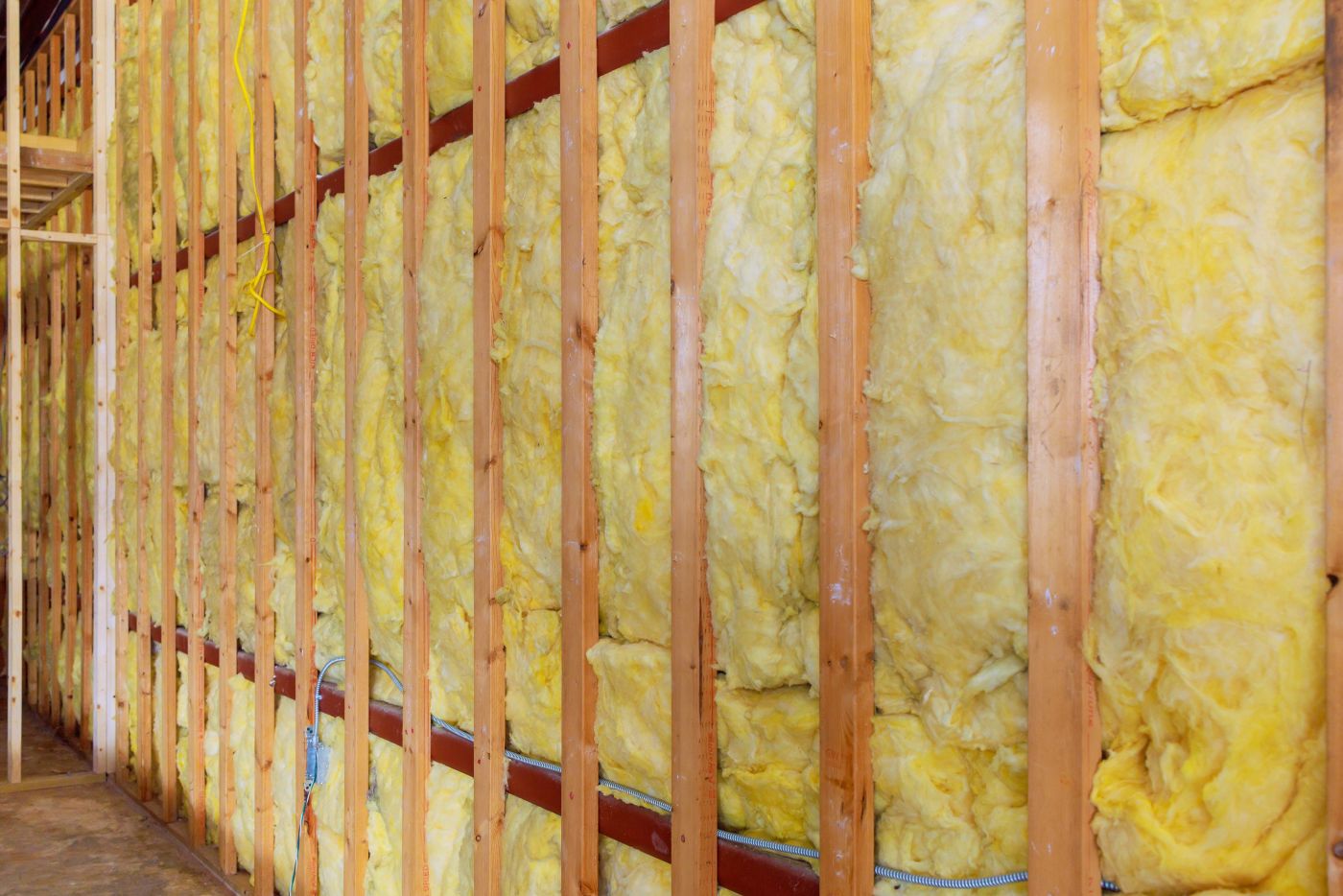
Commercial insulation affects energy costs by reducing heat loss, lowering heating demand, and helping buildings maintain consistent indoor temperatures. In Edmonton, prolonged winter conditions make roof and attic insulation particularly important for controlling heating expenses. Stewart Insulation provides commercial insulation services to help property owners address inadequate coverage and improve building energy performance.
The financial benefit of an insulation upgrade depends on existing insulation levels, building construction, and heating system efficiency. Understanding these factors helps commercial property owners evaluate potential savings, installation costs, and long-term returns before investing in improvements.
Why Heat Loss Is More Expensive in Commercial Buildings
Commercial buildings often have larger conditioned areas, longer operating hours, and more complex heating requirements than smaller properties. These characteristics can increase total heating expenses when insulation deficiencies affect substantial areas of the building envelope.
However, building size alone does not determine energy efficiency or heating costs per square foot. The financial impact of heat loss depends on insulation performance, heating schedules, energy rates, and the amount of space maintained at controlled temperatures.
Large Surface Areas and Thermal Drift
Commercial roofs can cover thousands of square feet, creating substantial areas through which heat transfers between indoor and outdoor environments. When insulation is insufficient or inconsistently installed, the combined heat loss across these surfaces can significantly increase heating demand.
Thermal drift refers to changes in thermal resistance over time in certain insulation products, particularly some closed-cell foam insulation systems. As insulating gases gradually diffuse from these materials, their ability to resist heat transfer can change. This differs from indoor temperature fluctuations and does not occur through the same mechanism in every insulation product.
Commercial property owners should evaluate the current performance of the roof assembly rather than relying solely on its original insulation specifications. Existing insulation condition, coverage, and construction details help determine whether additional insulation is warranted.
Compounding Utility Costs in Winter
Edmonton's prolonged heating season increases the financial consequences of inadequate insulation because additional heating demand continues throughout periods of cold weather. As the temperature difference between indoor and outdoor conditions increases, heat transfer through poorly insulated assemblies also rises.
Buildings that maintain elevated indoor temperatures overnight or during weekends may accumulate additional heating expenses over the winter. The resulting cost depends on heating controls, operating schedules, utility rates, and whether the property uses natural gas, electricity, or another heating source.
Where Commercial Buildings Lose Energy Most
Commercial buildings lose heating energy through roofs, walls, windows, and uncontrolled air leakage. The contribution of each area depends on the building's construction, insulation condition, and operating requirements.
Identifying the primary sources of heat loss is important before committing to improvements. A building with adequate roof insulation but substantial air leakage may require different corrective measures than one with insufficient attic coverage.
Roof and Attic Assemblies
Roof and attic assemblies separate conditioned commercial spaces from outdoor temperatures, making their insulation performance important for controlling heat transfer. In buildings with accessible attics, insufficient insulation depth, uneven coverage, or disturbed materials can reduce the assembly's effective thermal resistance.
Thermal resistance is commonly measured using R-value, with higher values indicating greater resistance to conductive heat transfer. However, actual performance also depends on installation quality, insulation continuity, and the condition of the surrounding assembly.
The appropriate insulation location depends on the building's roof design. In a conventional ventilated attic, insulation is generally installed at ceiling level to separate the heated interior from the unconditioned attic. Buildings with insulated roof decks or low-slope roof assemblies may instead have insulation incorporated into the roof system.
These construction differences affect installation access, project costs, and the type of improvements that are practical. Stewart Insulation provides commercial insulation services for complete and partial projects, including commercial attic spaces where additional insulation is required.
Air Leakage and Thermal Bridging
Air leakage occurs when conditioned indoor air escapes through openings in the building envelope, including gaps around ceiling penetrations, access hatches, and mechanical service openings. This movement carries heat out of the building and can reduce the effectiveness of otherwise adequate insulation.
Thermal bridging occurs when conductive building components, such as structural framing, create paths for heat to bypass the insulation layer. Unlike air leakage, thermal bridging involves heat conduction through materials rather than air movement through openings.
These conditions require different corrective measures. Air leakage generally requires sealing affected openings, while thermal bridging may require changes to insulation continuity or assembly design.
Adding insulation without correcting significant air leakage can limit the expected improvement in energy performance. An assessment should distinguish between inadequate thermal resistance and other building-envelope deficiencies before determining the required work.
Quantifying Energy Cost Reduction From Proper Insulation
The potential reduction in commercial heating costs depends on how much energy currently escapes through the affected building assembly. Properties with substantial insulation deficiencies generally have greater opportunities for improvement than buildings with insulation already performing near the intended level.
There is no reliable percentage reduction that applies to every commercial building in Edmonton. Roof area, existing and proposed insulation levels, heating equipment efficiency, building airtightness, and operating schedules all influence the potential savings.
A practical estimate begins with an assessment of the existing insulation and the building's historical energy consumption. Where possible, space-heating expenses should be separated from lighting, equipment, ventilation, and other energy uses because improvements to roof insulation primarily affect heating and cooling loads.
For a more defensible projection, the assessment should consider the affected roof or ceiling area, existing and proposed thermal resistance, and the expected reduction in heating demand under local weather conditions. Larger or more complex buildings may require energy modelling to account for interactions between insulation, air leakage, and mechanical systems.
For example, consider a commercial building spending $50,000 annually on space heating. If a building-specific assessment projected a 10% reduction in heating expenses, the estimated annual savings would be $5,000. The percentage is an assumed calculation input, not a typical or guaranteed savings rate for commercial insulation upgrades.
After installation, actual performance can be evaluated by comparing heating consumption before and after the improvements, with adjustments for weather and changes in building use. This helps distinguish insulation-related savings from reduced occupancy, different operating schedules, or unusually mild winters.
Upgrade vs Retrofit: When Insulation Improvements Make Financial Sense
An insulation upgrade typically involves increasing insulation levels or correcting coverage deficiencies within an existing assembly. A broader retrofit may involve additional building-envelope work, including air sealing, roof reconstruction, or changes to the insulation system.
An upgrade may be more economical when existing attic insulation is accessible, dry, and suitable for additional coverage. Where insulation is incorporated into a completed roof assembly, coordinating improvements with a scheduled roof replacement can reduce duplicated labour and construction costs.
Older commercial buildings in Edmonton may have insulation levels below those found in more recent construction. However, age alone does not establish inadequate performance because previous renovations, original construction methods, and maintenance history affect current insulation conditions.
Indicators of Underperforming Insulation in Commercial Properties
- High winter heating consumption: Heating expenses remain unusually high after accounting for outdoor temperatures, operating schedules, and energy rates. This may indicate excessive heat loss, although HVAC inefficiencies and other building conditions should also be considered.
- Uneven indoor temperatures: Persistent cold areas near ceilings or upper floors can indicate localized insulation deficiencies. Heating distribution and airflow problems can produce similar conditions.
- Visible insulation deficiencies: Missing coverage, displaced insulation, or exposed sections of the attic floor suggest reduced thermal resistance. These conditions are particularly relevant when deficiencies affect large areas.
- Condensation or moisture accumulation: Frost, water staining, or damp insulation may indicate air leakage, ventilation problems, or roof moisture intrusion. The underlying moisture source must be identified before adding insulation.
- Uneven roof snowmelt: Localized melting can indicate heat escaping through the roof assembly. However, sunlight, wind, roof geometry, and mechanical equipment can create similar patterns.
These indicators justify further investigation rather than automatically confirming the need for replacement. Insulation that is wet, contaminated, or otherwise unsuitable for reuse may require removal, while dry and stable insulation may support additional coverage.
Financial justification depends on installation costs, projected energy savings, and the owner's investment requirements. Simple payback divides the initial project cost by estimated annual savings, providing a basic measure of how long the investment would take to recover its cost.
For example, a $30,000 project producing $5,000 in annual savings would have a simple payback period of six years. This calculation excludes financing costs, changes in energy prices, and the time value of money, which may influence the actual return on investment.
There is no universal payback period that makes an insulation project financially worthwhile. Owners should compare the estimated return against their expected ownership period, available capital, and competing building improvements.
Project costs should also reflect installation access and disruption to commercial operations. Work that requires temporary area closures, equipment relocation, or additional repairs may carry expenses beyond insulation materials and labour, making coordination with scheduled maintenance financially important.
For commercial buildings with accessible attic spaces, attic insulation services can address insufficient coverage without requiring extensive roof reconstruction. The appropriate scope depends on existing material conditions, ventilation requirements, and whether the current insulation can remain in place.
Aligning Insulation Strategy With Long-Term Operating Costs
Commercial insulation improvements should be coordinated with building maintenance schedules, equipment replacement plans, and long-term operating budgets. This approach allows property owners to evaluate insulation investments alongside other planned improvements rather than treating heating efficiency as an isolated expense.
Reducing heat loss can decrease heating equipment runtime under comparable operating conditions. However, reduced heating demand does not automatically lower HVAC repair costs or extend equipment lifespan. Scheduled maintenance, component replacement, and system reliability remain dependent on equipment condition, manufacturer requirements, and operating practices.
Insulation improvements can also affect future HVAC planning by reducing the building's heating load. When heating equipment is eventually replaced, an updated heating-load calculation can help determine the appropriate system capacity. Existing equipment should not be downsized solely because insulation has been added.
Long-term financial planning should account for the expected remaining service life of the building and the insulated assembly. An upgrade with a longer payback period may still support operating-cost objectives when the property will remain in service long enough to benefit from continued energy savings.
Building owners should also consider the timing of related capital improvements. Completing necessary insulation work before HVAC replacement or alongside scheduled building-envelope repairs can help avoid repeated construction and support more accurate equipment planning.
At Stewart Insulation, we provide commercial attic insulation assessments, installations, and upgrades in Edmonton and surrounding areas. Our team evaluates existing insulation depth, attic conditions, and ventilation requirements to help property owners determine whether additional insulation is appropriate. These findings establish the scope and cost of the proposed work, allowing owners to assess the investment against expected energy savings and long-term operating objectives.